
What Therapists Should Know About the Gut–Brain Connection

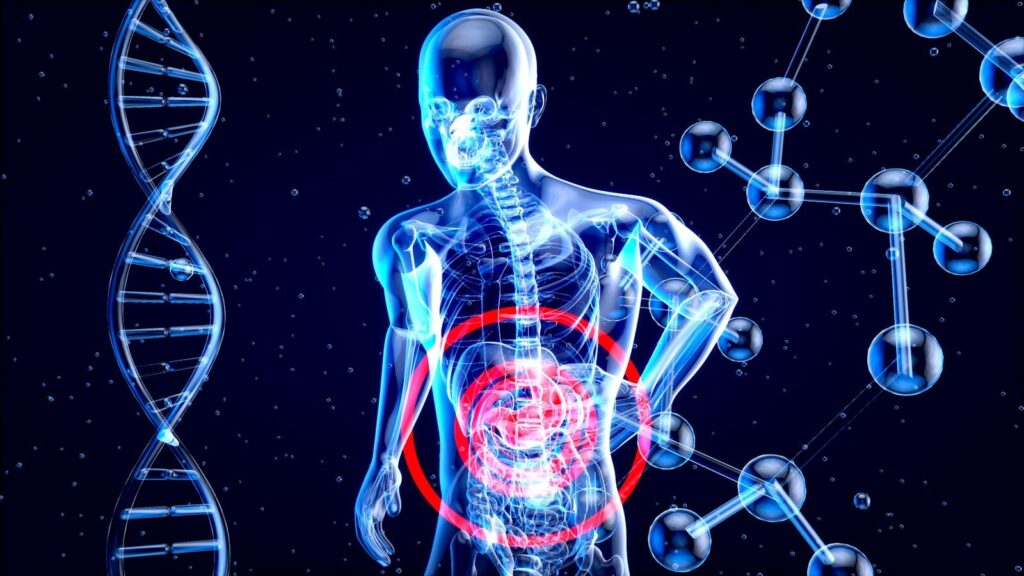
Most clients have heard some version of the idea by now. A podcast told them their gut is a “second brain,” or that most of their serotonin is made in their intestines, or that a bottle of probiotics will lift their mood. The science underneath those headlines is real and genuinely interesting. It’s also more careful than the headlines suggest, and the gap between the two is where useful conversations with clients tend to happen.
Here’s a grounded look at what the research supports, written for people who sit across from clients rather than in a lab.
The gut and brain are in constant conversation
The gut has its own nervous system. The enteric nervous system runs through the lining of the digestive tract and contains hundreds of millions of neurons, enough that researchers sometimes call it a “second brain.” It can run many of its operations without instructions from the head.
That system stays in near-constant contact with the brain, and the traffic runs both ways. The vagus nerve is the main line, carrying signals up and down between the gut and the brainstem. Alongside it, the trillions of microbes living in the gut produce compounds that influence immune activity, inflammation, and the chemical precursors the brain relies on. This whole network is what people mean by the gut–brain axis.
The two-way part matters clinically. Stress and low mood change how the gut moves and how sensitive it feels, which is why anxiety so often shows up as nausea or an upset stomach. As Harvard Medical School’s team puts it, “a troubled intestine can send signals to the brain, just as a troubled brain can send signals to the gut.” For a client with both anxiety and digestive complaints, that isn’t two separate problems. It’s one loop.
The serotonin story, told accurately
The stat your clients have probably heard is roughly true: around 90 to 95 percent of the body’s serotonin is produced in the gut, mostly by specialized cells in the intestinal lining. It’s a striking number, and it’s easy to see how it turns into “your gut makes your happiness.”
The important caveat rarely makes it into the podcast version. Serotonin made in the gut does not cross the blood–brain barrier, so it isn’t the same serotonin acting on mood inside the brain. Gut serotonin does its work locally, mainly regulating digestion and motility.
So the gut doesn’t simply pump mood chemicals upstairs. The influence is more indirect, and arguably more interesting. Gut microbes help determine how much tryptophan, the raw material for serotonin, is available to the body in the first place. They produce short-chain fatty acids and other metabolites that affect inflammation and signal along the vagus nerve. When people describe the gut as shaping mood, this quieter, upstream set of mechanisms is what the evidence actually points to. Worth having ready for the client who arrives convinced that kombucha is an antidepressant.
What the evidence does and doesn’t show
The strongest human evidence so far is about dietary patterns rather than any single food or supplement.
The most cited example is the SMILES trial from 2017, the first randomized controlled trial to test diet as a treatment for depression. Adults with moderate to severe depression received either dietary support toward a modified Mediterranean pattern or a social-support control. After twelve weeks, about a third of the dietary group reached remission, compared with roughly 8 percent of the control group. It’s one modest study, and its authors were the first to note its limits, but it moved the question from “does food matter for mood” to “how much.”
On the microbiome side, a 2021 Stanford study followed 36 healthy adults for ten weeks. Those who added fermented foods like yogurt, kefir, kimchi, and kombucha showed greater microbial diversity and lower levels of 19 inflammatory markers. A high-fiber diet, interestingly, didn’t move those markers over the same period, which hints that the details of how we feed the microbiome matter.
Supplements are where caution earns its keep. Reviews and meta-analyses of probiotics, prebiotics, and so-called “psychobiotics” for anxiety and depression report some positive signals, but the studies are small, use different strains, and vary in quality. There’s no clear answer yet on which strain, dose, or person. This is honest ground to stand on with clients: promising, not proven, and no substitute for treatment.
What clients can actually do
None of this is a prescription, and it’s worth being explicit with clients that dietary and supplement changes should be run past a physician or registered dietitian, especially for anyone on medication or managing a health condition. Within that frame, the general-wellbeing steps the research keeps circling back to are unglamorous and familiar:
- Eat a wider range of plants. Diversity of fiber tends to support diversity of gut bacteria. The specific vegetable matters less than the variety over a week.
- Include fermented foods. Yogurt with live cultures, kefir, sauerkraut, kimchi, and miso are the ones with the most supporting evidence.
- Lean toward whole foods. The patterns linked to better mood look broadly Mediterranean: vegetables, legumes, fish, nuts, olive oil, with less heavily processed food.
- Protect sleep, movement, and stress levels. These shape the gut environment too, and they’re already familiar territory in the therapy room.
- Go easy on alcohol. It disrupts both the microbiome and sleep.
The framing to offer clients is “small, sustainable additions,” not a restrictive overhaul. Restriction tends to backfire, and for anyone with a history of disordered eating it’s a real risk rather than a theoretical one. Adding a daily serving of yogurt is a very different intervention than cutting out food groups.
Where this fits in your work
The clinical value here isn’t turning therapists into nutritionists. It’s twofold. First, it gives you an accurate, non-hype answer for the clients who bring this up, and increasingly they will. Second, it’s a natural way into conversations about daily habits, because eating, sleeping, and moving are things clients can influence directly, which can be steadying for someone who feels little control elsewhere.
The gut–brain axis reinforces something therapists already work from: mind and body aren’t separate systems. What’s useful now is that the language of biology can make behavioral changes feel more legitimate to a skeptical client, and that the evidence is finally specific enough to talk about without overselling it.
Resources to read and share
- Harvard Health, The gut-brain connection — a plain-language overview, good to send to clients.
- Harvard Health, How the gut-brain connection influences mood.
- BMC Medicine, the SMILES trial — the diet-and-depression RCT, open access.
- Stanford Medicine, fermented foods and the microbiome.
- Nutrition Reviews, probiotics and prebiotics for depression and anxiety: a systematic review — the measured take on supplements.
- Wiley, the serotonin–probiotics–gut health review — for the mechanism-minded.
This article is for general education and isn’t medical or nutritional advice. Encourage clients to talk with their physician or a registered dietitian before making significant changes to diet or supplements, particularly if they take medication or manage a health condition.